
 By Tsuky
Bitcoin was trading around $77,200 to $77,300 on August 24, according to live market data, with its seven-day gain still close to 22%. On Friday it had briefly climbed above $79,000, marking its strongest weekly advance in more than two years.
ETF buyers came back quickly
U.S. spot Bitcoin ETFs recorded approximately $1.9 billion in net inflows for the week. It was their strongest weekly result of 2026 and the largest since October 2025.
Thursday accounted for $606.3 million, including roughly $503 million flowing into BlackRock's IBIT. Weekly trading volume across the Bitcoin products jumped from $6.9 billion to $22.1 billion.
The numbers still carry an awkward footnote. Even after that surge in demand, U.S. Bitcoin ETFs remain about $2.9 billion in net outflows for 2026.
Before the ETF rush, shorts were being forced out
The rally had already received a violent mechanical boost. CoinGlass data cited by The Block showed about $2.75 billion in Bitcoin short positions liquidated on Wednesday, as BTC broke above levels that had contained it for much of the summer.
Those liquidations created forced buying. They can accelerate a breakout without proving that the same demand will still exist once leveraged bearish positions have been cleared, which is why analysts were watching spot purchases and ETF flows after the squeeze.
The catalyst started in the Treasury market
On August 19, the U.S. Treasury announced that it would at least double the maximum size of liquidity-support buyback operations for longer-dated nominal securities. The cap rises from $2 billion to at least $4 billion per operation for the 10-to-20-year and 20-to-30-year sectors.
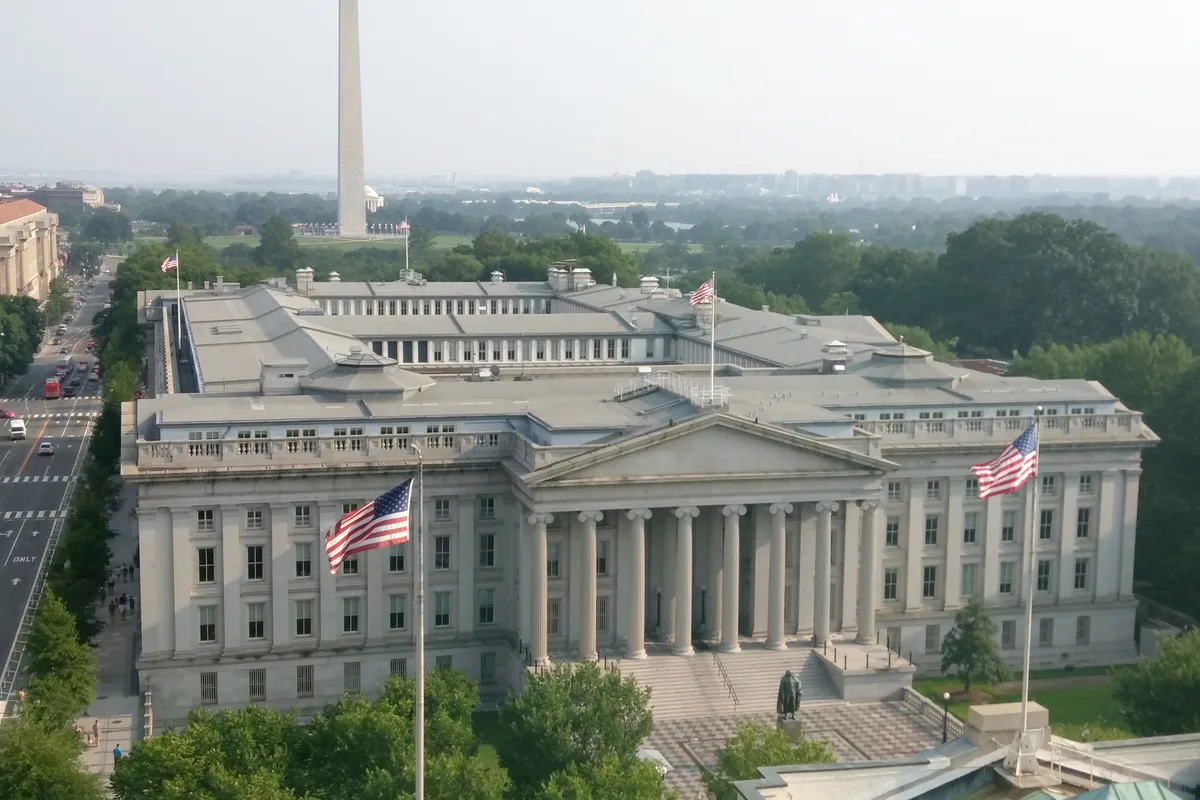
The announcement followed renewed stress in long-term U.S. government bonds. The dollar initially weakened, long yields moved lower, and Bitcoin and gold both benefited. Analysts disagree on how much of the crypto rally should be attributed to that intervention rather than positioning, ETF demand and improving regulatory sentiment.
The larger Treasury buybacks begin on September 9 and are scheduled to remain in place through November 4. Bitcoin was still trading near $77,000 on August 24.